 Dr. Rohleder
 Meet the Team
 Frequently Asked Questions
 Careers

If you look forward to your morning cup of coffee, you’re in good company. Many downtown Colorado Springs locals, busy professionals, and military patients start their day the same way. The good news? You don’t have to choose between your favorite brew and a brighter smile. With the right approach, whitening can fit into a daily routine, even for committed coffee drinkers.
Coffee stains teeth over time due to dark pigments that cling to enamel. This can appear as brown discoloration near the gumline or an overall duller tooth color. If you’ve been drinking coffee for years, teeth whitening can help, but it’s important to understand what it can and cannot change, as well as how to maintain your brighter smile long-term.
Why Do Coffee Stains Show Up So Easily?
Coffee’s acidic nature and dark pigments create its rich color, but these pigments can attach to your enamel’s pores, especially if you sip slowly or let coffee linger on your teeth. For occasional coffee drinkers, this may not be a big issue. However, for daily coffee drinkers, stains can gradually build up and become part of your smile’s appearance.
Most coffee stains are surface stains, meaning they live on the enamel’s outer layer. These stains often respond well to professional care and consistent oral hygiene. However, years of buildup can make stains appear deeper and harder to remove, especially if combined with other staining habits like red wine, tea, or tobacco.
Is Teeth Whitening for Coffee Stains Worth It?
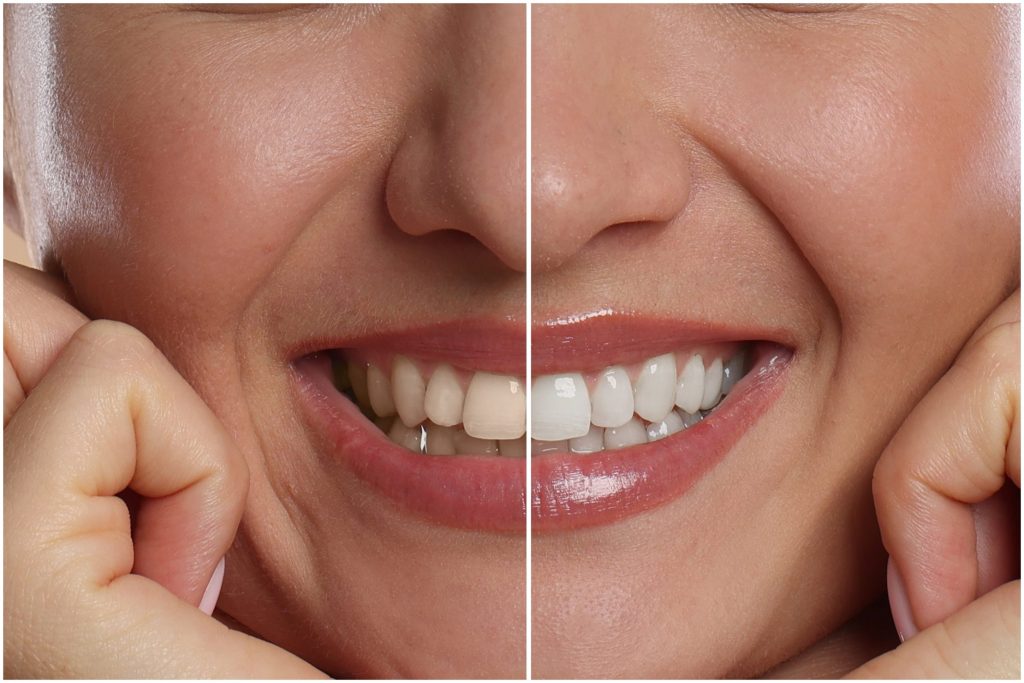
Yes, especially if stains are mostly on the enamel surface and you want a brighter smile for photos, holidays, or everyday confidence. Teeth whitening works by lifting stain molecules and lightening your teeth’s color, not by forcing an unnatural shade. Many coffee drinkers see significant improvement with professional whitening treatments, as these use stronger and more effective whitening agents than over-the-counter products.
Whitening is also worth considering if you’re doing all the “right things” at home, brushing, flossing, and regular cleanings, but your teeth still look darker than you’d like. At The Downtown Dentist, we provide thoughtful recommendations and personalized care to help you feel informed and comfortable moving forward.
Surface Stains vs. Deeper Discoloration: What Whitening Can (and Cannot) Change
Coffee typically causes surface stains, making whitening a great option in many cases. Whitening works best when discoloration is external and evenly spread across the enamel. For stubborn stains from years of coffee, a combination of professional cleanings and whitening may be needed for the most even results.
Some discoloration is intrinsic, meaning it sits beneath the enamel surface. While teeth bleaching and whitening are often used interchangeably, deeper discoloration may require stronger, professionally supervised options. A cosmetic dentist can help determine whether whitening will meet your goals or if another solution, like veneers, might be more appropriate.
How Professional Whitening Works at The Downtown Dentist
Professional whitening delivers visible results with expert support. At The Downtown Dentist in downtown Colorado Springs, we use a hydrogen peroxide-based whitening gel to break down stain compounds and brighten tooth color. Your gums and lips are protected for comfort, and our team monitors your experience throughout the visit.
You can choose between in-office whitening for faster results or an at-home system with custom trays. In-office whitening appeals to those seeking a quick, controlled process, while at-home options offer flexibility and gradual improvement with professional-grade treatments tailored to your teeth.
In-Office Whitening vs. Custom Trays at Home: Choosing the Right Approach
Both options can brighten your smile, and the best choice depends on your timeline, sensitivity level, and staining history.
In-office whitening is ideal if you want:
- A noticeably brighter smile on a shorter schedule
- Even, consistent application monitored by professionals
- Guidance for managing sensitive teeth
Custom trays are a great option if you prefer:
- A whitening routine you can do on your own time
- Gradual improvement, especially for years of buildup
- Flexibility to touch up as new stains appear
If you’re unsure which approach fits your lifestyle, our team can help you weigh the pros and cons so you can decide with confidence.
What About Whitening Toothpastes, Baking Soda, and Other Home Remedies?
Whitening toothpastes can help reduce minor surface stains, especially when paired with consistent oral hygiene and regular dental cleanings. These toothpastes often use mild abrasives to polish enamel, which can help with coffee stains. However, they typically don’t deliver the same level of change as professional whitening due to limited active ingredients.
Home remedies like baking soda or apple cider vinegar are also popular but come with risks. Baking soda can be abrasive and may wear down enamel if overused, while apple cider vinegar’s acidity can damage enamel, especially if you already have sensitivity. Before trying any home remedies, consult your dentist to ensure your oral health stays protected.
How to Maintain a Brighter Smile While Enjoying Coffee
You can still enjoy your daily coffee and maintain your whitening results by minimizing how much stain stays on your teeth. Small habits can make a big difference, especially for iced coffee drinkers or those who sip slowly.
Here are some tips to reduce future staining and protect your oral health:
- Rinse with water after drinking coffee to wash away pigments before they settle.
- Brush and floss regularly, especially before bed.
- Schedule routine dental cleanings to prevent surface stains from becoming permanent.
- Use a straw for iced coffee to reduce contact with your front teeth.
- Add crunchy fruits like apples to your diet—they help clean enamel as you chew.
If you drink coffee throughout the day, avoid brushing immediately after. Coffee’s acidity can temporarily soften enamel, so wait a bit or rinse with water before brushing.
Will Teeth Whitening Make My Teeth Sensitive?
Some people experience sensitivity during or after whitening, depending on their enamel condition and starting tooth color. Sensitivity often feels like a quick zing with cold drinks or air. Let your provider know if sensitivity is a concern so they can tailor your whitening plan to your comfort level.
At The Downtown Dentist, we prioritize a relaxed experience and clear communication. If sensitivity is an issue, we can discuss pacing, at-home options, and tips to minimize discomfort while achieving a brighter smile.
A Simple Plan for Coffee Drinkers in Downtown Colorado Springs
If you want pearly whites but love your morning coffee, a practical plan often includes: starting with a cleaning, whitening with professional treatments, and maintaining results with consistent oral hygiene and regular cleanings. This approach addresses surface stains, supports oral health, and helps your results last without requiring you to give up coffee.
Ready to explore teeth whitening for coffee stains? The Downtown Dentist offers convenient care in the heart of downtown Colorado Springs, with locations on Tejon St. and Willamette Ave. Contact us today to schedule your appointment.